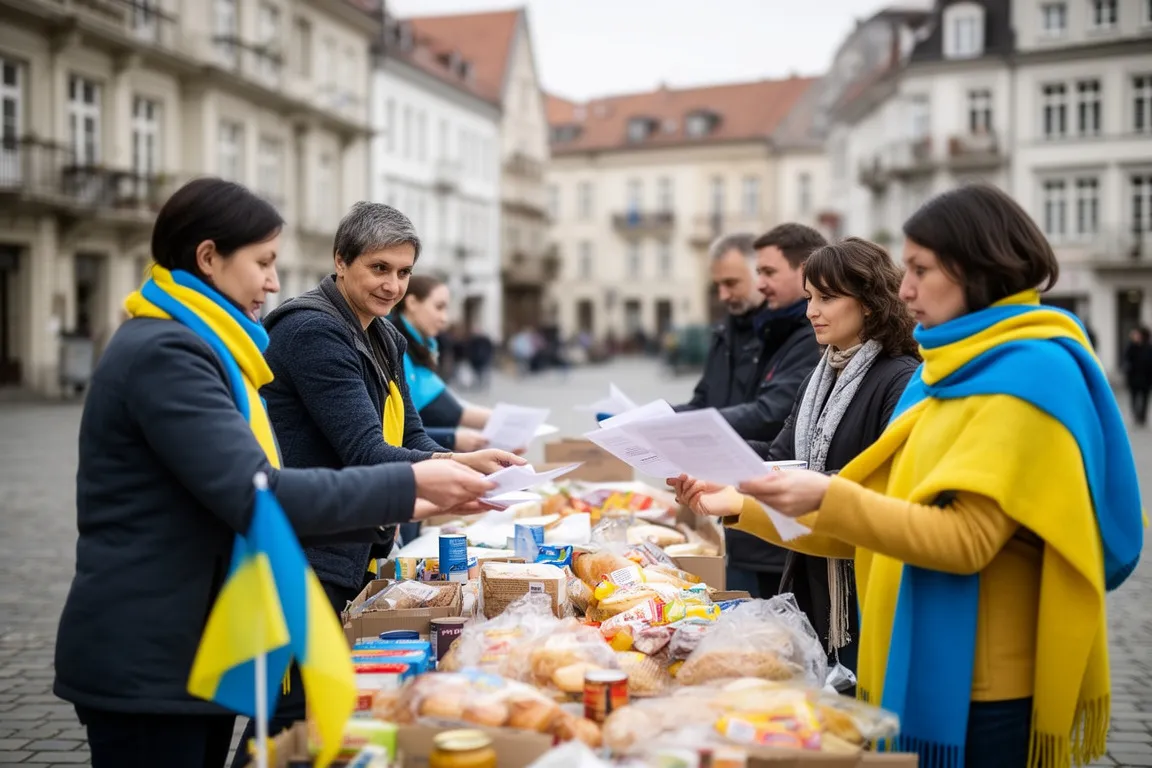
How to Support Ukrainian Refugees in Your European Neighborhood
You can start today by looking around your own street or district instead of waiting for big programs. Many Ukrainian families now live in ordinary apartment blocks across cities like Berlin, Warsaw, and Vienna.
Find Local Networks First
Check bulletin boards at libraries, sports centers, and grocery stores. Local volunteer groups often post there with phone numbers or WhatsApp links. In many neighborhoods these groups already coordinate with city refugee offices.
- Ask the town hall information desk for the nearest Ukrainian community contact.
- Search for “Ukrainian help” plus your city name on local Facebook groups.
- Call one number and ask what they actually need this week rather than guessing.
Offer Concrete Daily Help
Small, repeated actions matter more than one big gesture. A neighbor who drives someone to the doctor twice a month creates real stability.
| Need | Example action | How often |
|---|---|---|
| School runs | Pick up two children after class | 3 days a week |
| Language practice | Meet for coffee and simple conversation | Once a week |
| Paperwork | Sit with someone while they fill forms | As needed |
Watch for families at playgrounds or bus stops who seem unsure. A short offer like “I live two blocks away if you need directions” works better than long speeches.
Share Practical Skills
Use what you already know. If you can cook, invite one person to your kitchen and show them local ingredients and prices. If you work in an office, review a CV for job applications common in your country.
- List three things you do well without much effort.
- Contact one local group and say exactly what you can give.
- Agree on a first meeting time and place.
One retired teacher in my building now meets two teenagers every Tuesday for math homework. That single weekly slot freed their mother to attend German classes.
Keep Connections Going
Integration takes months, not weekends. Add the family to your regular chat group for neighborhood news. When you buy extra vegetables, drop some at their door without making it a formal donation. These ordinary ties reduce isolation faster than organized events alone.